Group Tutoring vs 1‑to‑1: Which Works Best for UK Children with Low Confidence in Maths?

Group Tutoring vs 1‑to‑1: Which Works Best for UK Children with Low Confidence in Maths?
Many UK parents quietly worry that their child is “just not a maths person”. You might see tears over homework, avoidance of anything with numbers, or a child who says, “I’m rubbish at maths” before they’ve even tried.
When you start looking for help, you’re quickly faced with a big decision:
- Group tutoring (small groups, learning together)
- 1‑to‑1 tutoring (individual, personalised support)
Both can work brilliantly – and both can be a waste of money if poorly matched to your child or badly delivered.
This guide is written specifically for UK parents weighing up after‑school tutoring options, especially for children with low confidence in maths. It focuses on:
- Confidence and anxiety, not just grades
- UK safeguarding and Ofsted expectations
- Realistic UK costs and hidden fees
- How to judge quality and staff qualifications
- SEND inclusion and borough‑level differences
It’s long and detailed so you can make a calm, informed decision – and feel confident challenging poor‑quality provision.

1. Understanding Low Confidence in Maths: What’s Really Going On?
Before choosing group or 1‑to‑1 tutoring, it helps to understand why your child feels low in confidence.
1.1 Common signs of low maths confidence
You might notice your child:
- Avoids homework or “forgets” it
- Freezes or panics when faced with a new question
- Guesses quickly instead of thinking it through
- Says things like “I’m thick” or “Everyone else is better than me”
- Gets upset if they make a mistake
- Refuses to put their hand up in class
Teachers in UK primary and secondary schools often report that confidence and mindset are bigger barriers than ability.
1.2 Typical causes in UK classrooms
Some common UK‑specific triggers:
- Large class sizes (30+ pupils) mean less individual attention
- Fast‑paced curriculum (especially with the 2014 National Curriculum changes) leaves gaps
- SATs pressure in Year 2 and Year 6
- Setting/streaming in KS2/KS3, where children are placed in lower sets and internalise “I’m in the bottom group”
- Negative experiences – being laughed at for a wrong answer, or a rushed explanation they didn’t understand
1.3 Why confidence matters as much as grades
Low confidence in maths can:
- Limit GCSE choices (e.g. avoiding subjects with maths content)
- Affect post‑16 options (A‑levels, T‑levels, apprenticeships)
- Spill over into self‑esteem: “I’m bad at maths, so I’m bad at school”
The right tutoring – group or 1‑to‑1 – should therefore aim to:
- Fill knowledge gaps and
- Rebuild confidence, resilience and willingness to try
When you visit or speak to a provider, listen for how they talk about confidence, mindset and mistakes, not just test scores.
2. What Is Group Tutoring in the UK Context?
Group tutoring usually means 2–8 learners working with one tutor, often after school or at weekends.
2.1 Common UK formats
You’ll see several models:
- Small‑group tuition centres (e.g. local independent centres, some national chains)
- School‑based intervention groups funded by Pupil Premium or the National Tutoring Programme (NTP)
- Online small‑group sessions via Zoom/Teams with breakout rooms
- Community‑based groups in church halls, community centres or libraries
Group sizes vary. For children with low confidence, the sweet spot is usually 3–6 learners. More than 6 and quieter children can disappear.
2.2 Typical structure of a group maths session
A good group session for anxious learners might include:
- Warm‑up: low‑stakes starter questions to build early success
- Short teaching input: clear explanation, visual aids, worked examples
- Guided practice: pupils try similar questions with support
- Independent or paired work: tutor circulates, checks understanding
- Review and reflection: what went well, what still feels tricky
Look for centres that explicitly plan for confidence‑building – not just “we do worksheets”.
2.3 Pros and cons of group tutoring for low‑confidence children
Potential benefits:
- Children see others making mistakes, which normalises struggle
- Peer explanations can be powerful: “Oh, I get it when she says it like that”
- Less intense than 1‑to‑1 for children who feel self‑conscious
- Can feel more like a club than “extra school”
- Often cheaper per hour than 1‑to‑1
Potential drawbacks:
- Tutor’s attention is shared; some children may hide
- Pace may be too fast or too slow for your child
- If group is poorly matched (e.g. big ability range), your child may feel “behind” again
- Behaviour issues from others can distract or unsettle anxious learners
Group tutoring can be excellent for confidence if the group is well‑matched and well‑managed.
3. What Is 1‑to‑1 Tutoring and How Does It Work in the UK?
1‑to‑1 tutoring means your child works individually with a tutor, either in person or online.
3.1 Common UK 1‑to‑1 setups
- Private tutors visiting your home
- Online tutors via platforms (Zoom, Teams, specialist tutoring platforms)
- School‑arranged 1‑to‑1 through the National Tutoring Programme or Pupil Premium
- Centre‑based 1‑to‑1 in a tuition centre or learning hub
3.2 Typical structure of a 1‑to‑1 maths session
A strong 1‑to‑1 session for a low‑confidence child might include:
- Check‑in: how they felt about recent lessons/homework
- Short review of previous learning to build early success
- Targeted teaching on one or two key gaps
- Lots of guided practice with immediate feedback
- Confidence talk: noticing progress, reframing mistakes
Because it’s individual, the tutor can:
- Adjust pace instantly
- Re‑teach in different ways
- Pause to address anxiety or negative self‑talk
3.3 Pros and cons of 1‑to‑1 for low‑confidence children
Potential benefits:
- Highly personalised; every minute is about your child
- Easier to build a trusting relationship with the tutor
- Tutor can respond immediately to signs of anxiety or overwhelm
- Great for children who are very behind or have complex SEND
Potential drawbacks:
- Can feel intense or exposing: “All eyes on me”
- Some children worry about “disappointing” the tutor
- No peer reassurance (“I’m not the only one who finds this hard”)
- Usually more expensive per hour than group tutoring
1‑to‑1 can be transformative for confidence, but only if the tutor is skilled at emotional support and reassurance, not just subject knowledge.
4. How Group vs 1‑to‑1 Affects Confidence and Anxiety
For a child who already feels fragile about maths, the emotional climate matters as much as the teaching.
4.1 When group tutoring can boost confidence
Group tutoring can be especially helpful when:
- Your child feels alone in their struggles and needs to see others finding it hard too
- They’re socially motivated and enjoy working with peers
- They’re anxious about adult attention but relax around other children
- The group is carefully matched in ability and temperament
In a good group, children often:
- Celebrate each other’s successes
- Share strategies (“I draw a bar model for that”)
- Learn that mistakes are normal and not embarrassing
4.2 When 1‑to‑1 is better for confidence
1‑to‑1 may be a better starting point if your child:
- Is extremely anxious or has had traumatic experiences in maths lessons
- Cries or shuts down at the mention of maths
- Has significant gaps (e.g. doesn’t know number bonds or times tables in upper KS2)
- Has SEND that makes group work overwhelming (e.g. sensory needs, social communication difficulties)
In 1‑to‑1, a skilled tutor can:
- Go right back to basics without your child feeling judged
- Move at your child’s pace, repeating as needed
- Use confidence‑building language consistently
4.3 Blended approach: starting 1‑to‑1, moving to group
For many low‑confidence children, a phased approach works well:
- Short block of 1‑to‑1 (e.g. 6–10 sessions) to rebuild basics and trust
- Transition to a small, supportive group once they feel more secure
Ask providers if they offer this kind of pathway, or if they can help your child move from 1‑to‑1 to group when ready.
5. Academic Progress: Which Is More Effective?
Parents often ask, “Which one will get my child the best results?” The honest answer: it depends on the child, the tutor and the quality of the programme.
5.1 What research and UK experience suggest
Broadly:
- 1‑to‑1 tends to produce faster short‑term gains in specific skills because of the intense focus
- Small‑group tutoring can be almost as effective if the group is small (ideally 3–5) and teaching is high quality
The Education Endowment Foundation (EEF) has consistently found that small‑group tuition and 1‑to‑1 tuition both have strong positive impacts when well‑delivered.
5.2 Matching format to your child’s needs
Consider:
-
How far behind are they?
- Very large gaps (e.g. several years behind): start with 1‑to‑1
- Slightly behind or “wobbly” confidence: small group may be enough
-
How urgent is the goal?
- Upcoming GCSE or Year 6 SATs: 1‑to‑1 can target exam technique and specific weaknesses
- Longer‑term confidence building in KS2: group can be very effective
-
How self‑aware is your child?
- Some children can say, “I don’t get fractions and long division” – 1‑to‑1 can laser‑focus on these
- Others just feel “bad at maths” – group work can help them see they’re capable
5.3 Progress measures to look for
Regardless of format, ask how the provider will:
- Assess starting points (baseline test, conversation with school, diagnostic tasks)
- Set clear, realistic goals (e.g. secure column addition, understand equivalent fractions)
- Review progress regularly (every 6–8 weeks)
- Share updates with you – and ideally with school, with your consent
Avoid providers who:
- Only talk about “moving up sets” or “getting top grades” without a clear plan
- Can’t explain how they’ll know if your child is actually improving
6. Social Skills, Peer Interaction and Emotional Development
For many children, tutoring is not just about maths; it’s also about social confidence.
6.1 Social benefits of group tutoring
Group tutoring can:
- Build teamwork and communication skills
- Give children practice explaining their thinking
- Help them learn to listen to different strategies
- Provide a safe space to practise asking for help
For a child who feels isolated in class, a small, kind group can be a huge relief: “I’m not the only one who finds this tricky.”
6.2 Social challenges to watch for
Potential issues in groups:
- Dominant personalities taking over
- Subtle teasing or eye‑rolling at mistakes
- Quiet children being overlooked
Ask how the tutor:
- Sets ground rules about respect and mistakes
- Ensures everyone participates
- Handles unkind behaviour
6.3 Social aspects of 1‑to‑1
1‑to‑1 doesn’t offer peer interaction, but it can:
- Build a strong, positive relationship with a trusted adult
- Give your child a safe space to voice worries about school
- Model calm problem‑solving and resilience
For some children with social anxiety, 1‑to‑1 is a necessary first step before they can cope with group learning.
7. Safeguarding and Ofsted: What UK Parents Must Know
Whether you choose group or 1‑to‑1, safeguarding should be non‑negotiable.
7.1 Ofsted and tutoring providers
Key points:
- Schools and school‑run clubs fall under Ofsted’s inspection framework
- Many independent tuition centres are not routinely inspected by Ofsted, unless they meet criteria to be registered as an independent school (e.g. full‑time provision)
- Some larger organisations may be on the Ofsted Voluntary Childcare Register if they provide childcare for under‑8s
Ask directly:
- “Are you Ofsted‑registered in any way? If not, what external quality checks do you have?”
Lack of Ofsted registration is not automatically a red flag, but it means you must be more vigilant.
7.2 Essential safeguarding expectations
Regardless of Ofsted status, you should expect:
- A written safeguarding policy you can see
- A named Designated Safeguarding Lead (DSL)
- Clear procedures for reporting concerns
- DBS checks for all staff working with children
- Appropriate ratios and supervision
For 1‑to‑1 tutoring, especially in your home or online, ask:
- “What is your safeguarding policy for 1‑to‑1 work?”
- “Do you recommend a parent or another adult is present or nearby?”
7.3 Online tutoring safety
If sessions are online:
- Check the platform’s security (password‑protected meetings, waiting rooms)
- Ask if sessions are recorded and how recordings are stored
- Ensure your child works in a shared family space, not a bedroom
A reputable provider will welcome these questions and have clear answers.
8. Staff Qualifications and Experience: What’s Realistically Reasonable?
Parents often assume “tutor” means “qualified teacher”. In the UK, this is not always the case.
8.1 Types of tutors you’ll encounter
- Qualified teachers (QTS) – current or former primary/secondary teachers
- Unqualified teachers/instructors – experienced but no QTS
- University students – often strong subject knowledge, less experience with younger children
- Sixth‑formers – sometimes used as peer tutors in centres
For a child with low confidence, the tutor’s ability to manage emotions and explain clearly is often more important than formal status – but qualifications still matter.
8.2 What to look for in a tutor for anxious learners
Ideally, the tutor should have:
- Strong subject knowledge at least one key stage above your child’s level
- Experience with UK curriculum and exam boards (e.g. AQA, Edexcel, OCR for GCSE)
- Evidence of working with children who lack confidence or have SEND
- Training in safeguarding and behaviour management
Ask:
- “What experience do you have with children who are anxious about maths?”
- “Can you give an example of how you’ve helped a child rebuild confidence?”
8.3 Centre‑based vs independent tutors
For centre‑based provision, ask:
- “What are your minimum requirements for tutors?”
- “How do you train and supervise your staff?”
- “Who observes sessions and how often?”
For independent tutors:
- Ask for references from other parents
- Check DBS status (Enhanced DBS is ideal)
- Ask about insurance (public liability, professional indemnity)
Avoid any provider who is defensive or vague about qualifications or checks.
9. UK Costs, Value for Money and Hidden Fees
Tutoring is a significant investment. Understanding typical UK costs helps you judge value.
9.1 Typical price ranges (as of 2024/25)
These are broad UK averages; London and the South East are often higher.
1‑to‑1 tutoring (per hour):
- Student/undergraduate tutor: £15–£25
- Newly qualified teacher or experienced non‑teacher: £25–£40
- Highly experienced teacher/examiner or specialist SEND tutor: £40–£70+
Group tutoring (per hour, per child):
- Small local group (3–6 pupils): £10–£25
- Larger commercial centres: £15–£35
Remember: some centres run shorter sessions (e.g. 50 minutes) – check the actual hourly equivalent.
9.2 Hidden or extra costs to watch for
Ask about:
- Registration or assessment fees (one‑off or annual)
- Materials or workbook charges
- Exam practice packs or mock exam fees
- Late payment fees
- Notice periods (e.g. one month’s notice to stop)
For online tutoring, check:
- Whether you need specific software or equipment
- Any platform subscription fees
9.3 Judging value, not just price
Cheapest is not always best; most expensive is not always necessary. Consider:
- Tutor quality and experience
- Group size (paying £15/hour in a group of 10 may be poor value)
- Progress tracking and feedback
- How well they address confidence and wellbeing
Ask yourself: “Do I feel I know exactly what my child is getting for this money?”
10. Red Flags: Quality, Safety and Consistency
Whether group or 1‑to‑1, certain warning signs should make you cautious.
10.1 Quality red flags
- No clear assessment of your child’s starting point
- Over‑reliance on generic worksheets with no adaptation
- Tutor can’t explain what they’re working on and why
- No regular feedback to you or your child
- High staff turnover; your child sees a different tutor every week
10.2 Safeguarding and professionalism red flags
- No written safeguarding policy
- Reluctance to discuss DBS checks
- Tutors working alone in closed rooms with children without clear policy
- In online sessions, no clear rules about cameras, recording, or chat
10.3 Emotional climate red flags
- Tutor mocks or belittles mistakes
- Children are visibly anxious or upset during/after sessions
- Over‑focus on speed and test scores, with no attention to confidence
- Your child dreads going and can’t articulate any positives
If you see these, trust your instincts. It’s reasonable to:
- Raise concerns with the provider
- Ask to observe a session (where appropriate)
- Withdraw your child and seek alternatives
11. What to Ask on a Club or Tutor Visit
Prepare a short list of questions so you don’t forget in the moment.
11.1 Questions about teaching and confidence
- “How do you support children who feel anxious or say they’re ‘bad at maths’?”
- “Can you describe a typical session for a child like mine?”
- “How do you handle mistakes in the group/1‑to‑1 setting?”
- “How will you tailor work to my child’s level?”
11.2 Questions about group composition (for group tutoring)
- “How many children are in each group?”
- “How do you group children – by age, ability, or both?”
- “What happens if my child is much more/less confident than others?”
11.3 Questions about safeguarding and staff
- “What safeguarding training do your staff receive?”
- “Do all tutors have an Enhanced DBS check?”
- “Who is your Designated Safeguarding Lead?”
- “Are parents allowed to observe or stay nearby for the first session?”
11.4 Questions about communication and progress
- “How will you keep me informed about progress?”
- “How often do you review goals?”
- “Can you liaise with my child’s school if I give permission?”
Take notes and compare answers between providers.
12. SEND Inclusion and Accessibility
Many children with low confidence in maths also have SEND (Special Educational Needs and Disabilities), diagnosed or not.
12.1 Common SEND profiles affecting maths confidence
- Dyscalculia or specific maths difficulties
- Dyslexia (affecting word problems, working memory)
- ADHD (attention, impulsivity, organisation)
- Autism (anxiety, sensory needs, social communication)
- Developmental Language Disorder (DLD) (understanding instructions)
12.2 Group vs 1‑to‑1 for SEND learners
1‑to‑1 may be better if your child:
- Needs frequent breaks or movement
- Has high anxiety in groups
- Requires very individualised explanations or resources
Group can work well if:
- The group is small and calm
- The tutor understands your child’s needs
- There are clear routines and visual supports
12.3 Questions to ask about SEND support
- “What experience do you have with children with [your child’s diagnosis or needs]?”
- “How do you adapt tasks for different learners?”
- “Are your premises accessible for mobility needs?”
- “Can my child use their usual aids (e.g. coloured overlays, fidget tools, laptop)?”
If your child has an EHCP (Education, Health and Care Plan), ask how tutoring can align with their existing targets.
13. Borough Differences and Local Considerations
Provision varies widely between UK areas.
13.1 London vs other regions
- London boroughs often have a high density of tuition centres and private tutors, but also higher prices
- Some boroughs (e.g. Newham, Brent, Harrow) have strong cultures of supplementary schooling
- In rural areas, options may be limited; online tutoring can be a lifeline
13.2 School‑linked provision
Some local authorities and academy trusts:
- Run their own after‑school maths clubs or intervention groups
- Partner with external providers through the National Tutoring Programme
Ask your child’s school:
- “Do you offer any small‑group or 1‑to‑1 maths support after school?”
- “Are there any local projects or charities supporting maths confidence?”
13.3 Cultural expectations and pressure
In some communities, there is strong pressure for children to attend multiple tutoring sessions each week. Be mindful of:
- Your child’s overall workload and wellbeing
- Travel time and late evenings
- Time for play, rest and family life
The goal is sustainable support, not burnout.
14. Practical Checklists for Parents
Use these checklists to compare options.
14.1 Quick checklist: Is group tutoring suitable for my child?
Group tutoring may be a good fit if:
- My child is shy but not extremely anxious
- They enjoy working with peers when the group is kind
- They’re only slightly behind or mainly lacking confidence
- They like the idea of a “club” rather than extra school
- The group size is 6 or fewer
- The provider can explain how they match groups
Group tutoring may not be ideal if:
- My child is extremely anxious or has panic‑like reactions to maths
- They have significant SEND that makes group work hard
- They are several years behind and need to go back to basics
14.2 Quick checklist: Is 1‑to‑1 tutoring suitable for my child?
1‑to‑1 may be a good fit if:
- My child is very anxious and needs a gentle, individual approach
- They have large gaps in understanding
- They struggle to focus in groups
- We have a specific goal (e.g. GCSE grade, SATs boost)
- We can afford the higher hourly cost
1‑to‑1 may not be ideal if:
- My child feels uncomfortable with intense adult attention
- They thrive on peer interaction and competition
- Budget is very tight and group options are high quality locally
14.3 Visit/evaluation checklist (for any provider)
When you visit or trial a session, look for:
- Warm, respectful interactions between tutor and learners
- Clear routines and expectations
- Children allowed to make mistakes without ridicule
- Explanations that are clear and at the right level
- Evidence of planning (not just random worksheets)
- Safe, clean environment with appropriate resources
- Visible safeguarding information (posters, named DSL)
- Staff who know children’s names and needs
Afterwards, ask your child:
- “How did you feel when you made a mistake?”
- “Did the tutor explain things in a way you understood?”
- “Would you feel okay going again?”
Their emotional response is as important as your adult impressions.
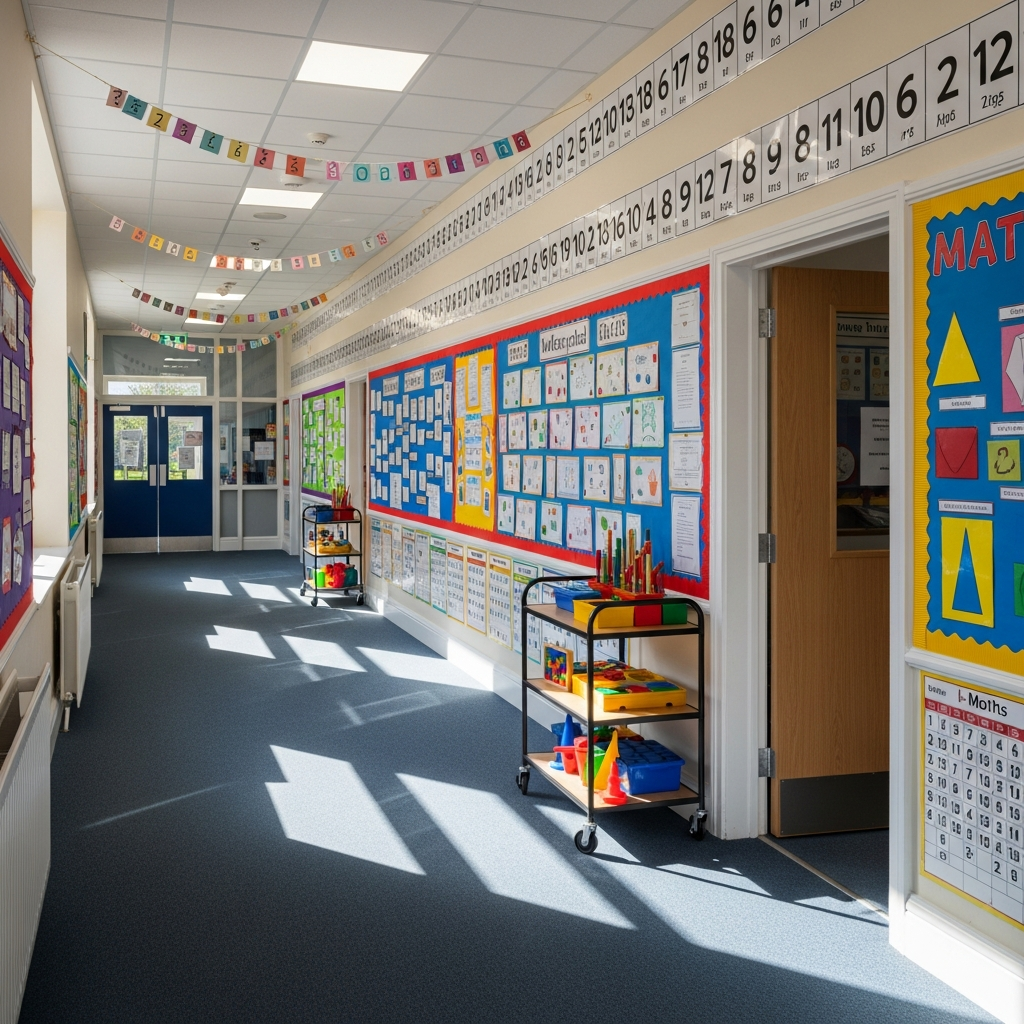
15. Case‑Study Style Scenarios (UK‑Based)
These fictional but realistic scenarios may help you picture what could work for your family.
15.1 Year 4 pupil in a Manchester primary
- Struggles with times tables and word problems
- Says “I’m thick” and avoids putting hand up
- Teacher says they’re “capable but lack confidence”
Option chosen: Small‑group after‑school maths club run by the school (6 pupils, 2 sessions per week).
Why it worked:
- Familiar environment and staff
- Peers from same class, all with similar difficulties
- Focus on games and practical activities
Confidence improved as they saw classmates also making mistakes and learning.
15.2 Year 8 pupil in a London borough (e.g. Lambeth)
- In lower maths set, predicted grade 3 at GCSE
- Very anxious, has had panic attacks before tests
- Parent can afford some tutoring but not top‑end prices
Option chosen: Start with 1‑to‑1 online tutoring (qualified teacher) once a week for 10 weeks, then move into a small online group with similar‑level pupils.
Why it worked:
- 1‑to‑1 allowed them to revisit KS2 basics without embarrassment
- Online format reduced travel time and stress
- Group phase added peer support and exam‑style practice
15.3 Year 11 pupil in a rural area
- Needs grade 4 in maths for college course
- School offers some intervention but timetable is tight
- No local tuition centres
Option chosen: 1‑to‑1 online tutoring with a specialist GCSE tutor, focused on exam technique and key topics.
Why it worked:
- Highly targeted to exam board and weak areas
- Flexible scheduling around farm/part‑time work
- Clear progress tracking and regular feedback to parent
These examples show that context, personality and goals all shape the best choice.
16. Supporting Your Child at Home Alongside Tutoring
Tutoring alone cannot fix everything. Your home approach can either reinforce or undermine confidence.
16.1 Language to use at home
Try to:
- Praise effort and strategies, not just “being clever”
- Normalise mistakes: “Everyone gets things wrong when they’re learning”
- Avoid saying “I was rubbish at maths too” – it can reinforce the idea that maths ability is fixed
16.2 Practical support
- Keep homework time short and regular, not long and stressful
- Use everyday maths: cooking, shopping, measuring, timetables
- Encourage your child to explain their thinking rather than just give answers
16.3 Working with school
- Share with the class teacher or SENCO that your child is receiving tutoring
- Ask if there are specific areas they’d like the tutor to focus on
- Check that homework expectations are realistic alongside tutoring
A joined‑up approach between home, school and tutor is ideal.
17. Making a Decision: A Simple Step‑by‑Step Process
If you’re still unsure, use this process:
Step 1: Clarify your main goal
Is it:
- Rebuilding confidence and enjoyment?
- Catching up on specific gaps?
- Preparing for SATs or GCSEs?
Step 2: Consider your child’s temperament
- How do they respond to group situations?
- Do they prefer quiet, focused time or buzz and interaction?
- How do they react to adult attention?
Step 3: Map your budget and logistics
- What can you realistically afford per week?
- How far are you willing to travel?
- Are online options acceptable for your family?
Step 4: Shortlist 2–3 providers
Include a mix if possible (e.g. one group‑based, one 1‑to‑1).
Step 5: Ask questions and, if possible, trial
- Use the question lists above
- Arrange a trial session or short block before committing long‑term
Step 6: Review with your child after 3–6 sessions
Ask:
- “Do you feel any different about maths now?”
- “What helps you most in these sessions?”
- “Is there anything that makes you feel worried or uncomfortable?”
Be prepared to adjust. It’s fine to change format (e.g. from group to 1‑to‑1) if your first choice isn’t working.
18. Summary: So, Which Works Best?
There is no single “best” option for all UK children with low confidence in maths.
Group tutoring tends to be best when:
- Your child needs to see that others struggle too
- They enjoy peer interaction and learn from others’ questions
- They are only slightly behind and mainly need confidence
- Budget is limited but you still want regular support
1‑to‑1 tutoring tends to be best when:
- Your child is very anxious or has had negative experiences in maths
- They have large gaps or complex SEND
- You have specific, time‑bound goals (e.g. GCSE, SATs)
- You want highly personalised attention
Whichever you choose, focus on:
- Safeguarding and safety
- Tutor quality and experience
- How they talk about confidence and mistakes
- Clear communication with you and, ideally, with school
You know your child best. Use that knowledge, combined with the practical tools in this guide, to choose a setting where they can feel safe, supported and gradually more confident with maths.
You don’t need to fix everything at once. A small, well‑chosen step – a kind tutor, a gentle group, a few positive experiences with numbers – can start to shift your child’s story from “I’m rubbish at maths” to “I can do this if I get the right help.”