Screen-Free After-School Activities: 12 Creative Arts Clubs Kids Actually Look Forward To
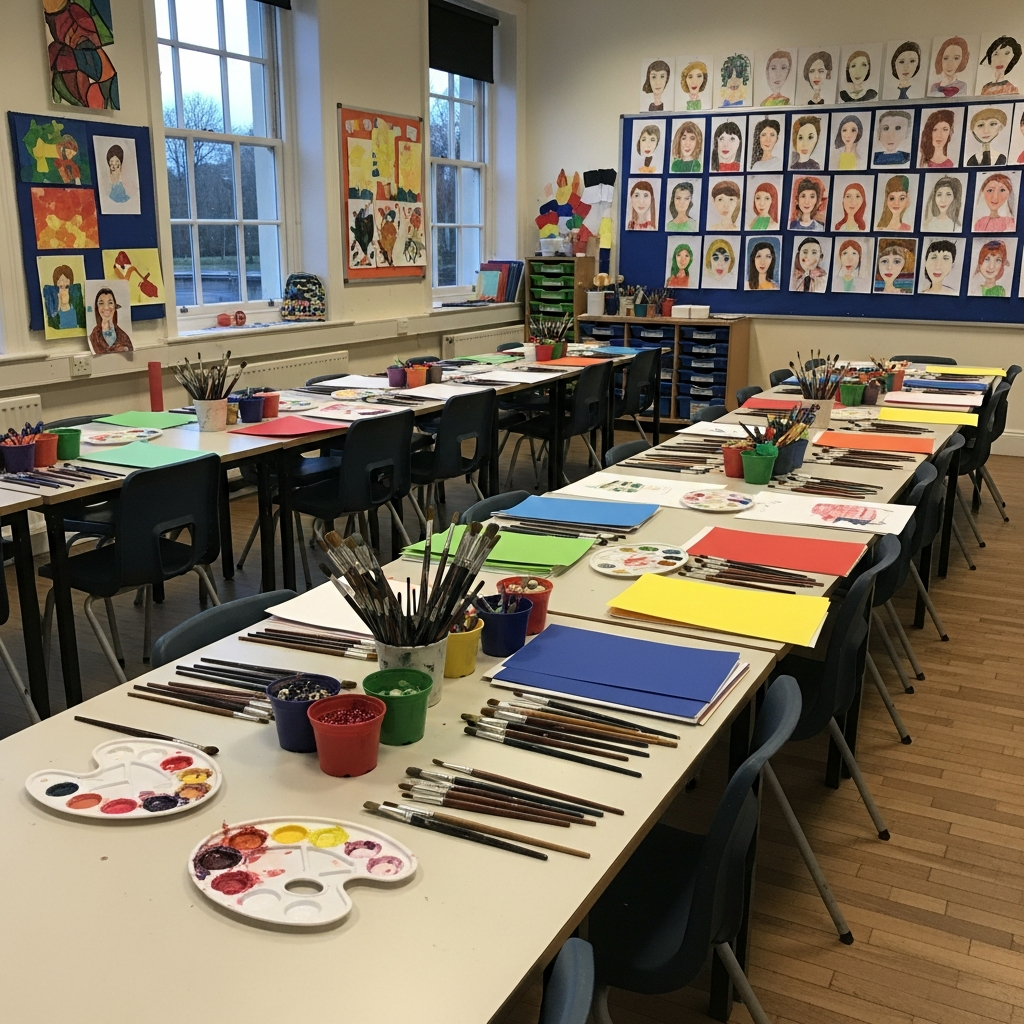
Screen-Free After-School Activities: 12 Creative Arts Clubs Kids Actually Look Forward To
Modern family life in the UK often feels like a tug-of-war between homework, screens and the school run. Many parents want their children to unwind creatively after school, but worry about:
- Too much time on tablets and gaming
- Low-quality clubs that feel like paid babysitting
- Unqualified staff or weak safeguarding
- Whether clubs genuinely build confidence and skills
This guide walks you through 12 creative, screen-free arts clubs that children actually look forward to – plus how to judge quality, safety and value in real UK settings.
It’s written for parents who want practical, no-nonsense guidance, not marketing fluff.
1. Why Screen-Free Creative Clubs Matter More Than Ever
The screen balance problem
Most UK children now spend several hours a day on screens between school, homework and leisure. While some screen time is fine, many parents notice:
- Frayed tempers and meltdowns after gaming
- Difficulty settling to homework
- Less interest in reading or outdoor play
- Social skills lagging behind
After-school arts clubs can provide a structured, screen-free buffer between school and home – a time to decompress, create and connect with others.
Developmental benefits of creative arts
High-quality arts clubs can support:
- Emotional regulation – expressing feelings through drawing, drama, music or movement
- Fine and gross motor skills – from cutting and sticking to dance and stagecraft
- Language and communication – storytelling, script work, group projects
- Executive function – planning, problem-solving, following multi-step instructions
- Confidence and self-esteem – seeing a project through from idea to finished piece
These benefits are particularly important for children who:
- Struggle academically and need a place to shine
- Are anxious or shy and need gentle social practice
- Have SEND and benefit from multi-sensory learning
2. The 12 Types of Creative Arts Clubs (Screen-Free by Design)
Below are 12 popular creative club types you’ll find across the UK. Many schools and community providers offer a mix.
- General arts & crafts clubs
- Drawing and illustration clubs
- Painting and mixed-media clubs
- Textiles, sewing and fashion clubs
- Ceramics and clay modelling clubs
- Drama and theatre clubs
- Musical theatre and performance clubs
- Choir and vocal groups
- Instrumental music ensembles
- Creative writing and storytelling clubs
- Film-making and stop-motion (low-tech) clubs
- Design, architecture and model-making clubs
We’ll look at each type in detail, including what good practice looks like, what it can cost, and what to ask providers.
3. What “Good” Looks Like in Any Arts Club
Before diving into each club type, it helps to know the core features of a high-quality, safe arts club in the UK.
3.1 Safeguarding and basic safety
Whether the club is run on school premises or in a community venue, you should expect:
- A named Designated Safeguarding Lead (DSL) for the organisation
- All regular staff with enhanced DBS checks (and barred list checks where appropriate)
- A clear safeguarding policy, available on request or on their website
- A robust sign-in and sign-out system so children cannot leave with unknown adults
- First-aid trained staff on site, with a stocked first-aid kit
- Clear risk assessments for activities (especially tools, kilns, stage lighting, etc.)
If the club is part of a registered childcare provision (e.g. wraparound care), it may be Ofsted-registered. If it’s a specialist activity provider using a school hall for one hour, it may not be required to register, but should still follow strong safeguarding practice.
3.2 Staff qualifications and experience
In the UK, arts club staff may have a range of backgrounds:
- Qualified teachers (QTS)
- Arts specialists (e.g. drama school graduates, practising artists)
- Youth workers or playworkers with Level 2/3 qualifications
- Music tutors with graded exam experience
For most arts clubs, you’re looking for a blend of subject expertise and child-development understanding. Ask:
- “What experience do your staff have working with children of this age?”
- “Do staff receive regular safeguarding and behaviour management training?”
- “Who plans the sessions and how do you adapt for different abilities?”
3.3 Emotional climate and behaviour
High-quality clubs feel calm, purposeful and welcoming. Look for:
- Staff greeting children by name
- Clear, positively framed rules (e.g. “We share materials” rather than “Don’t grab”)
- Adults on the floor at children’s level, not just supervising from a distance
- Children encouraged to support each other, not compete harshly
Red flags include:
- Staff shouting or using sarcasm
- Children wandering aimlessly or clearly bored
- Frequent arguments not calmly resolved
3.4 Inclusion and SEND
A good provider will:
- Ask about additional needs, allergies and medical conditions on registration
- Offer reasonable adjustments (e.g. quieter space, visual timetables, adapted tools)
- Be honest about what they can and can’t safely provide
Ask:
- “How do you support children who find noise or transitions difficult?”
- “Can my child use noise-reducing headphones or a wobble cushion?”
4. Arts & Crafts Clubs: The All-Rounder Option
Arts & crafts clubs are often the most accessible and affordable option, especially in primary schools.

4.1 What actually happens in a good arts & crafts club
You might see:
- Collage with recycled materials
- Seasonal crafts (Diwali lamps, Christmas decorations, Eid cards)
- Simple printmaking (potato prints, foam stamps)
- 3D constructions (junk modelling, cardboard cities)
- Basic textile projects (weaving, simple stitching)
A strong club will:
- Offer choice (e.g. 2–3 activity stations)
- Allow children to adapt projects rather than insisting on identical outcomes
- Build skills over time (cutting, measuring, joining, planning)
4.2 Skills and confidence benefits
- Great for fine motor skills and hand–eye coordination
- Builds planning and perseverance (projects that take more than one session)
- Encourages creative risk-taking in a low-stakes environment
- Can be very soothing for anxious or overstimulated children
4.3 UK cost expectations
- School-run clubs: often £3–£7 per session, sometimes subsidised by Pupil Premium
- External providers in schools: £6–£12 per session
- Community art studios: £8–£18 per session depending on materials and location
Hidden costs to ask about:
- Are all materials included?
- Are there extra charges for special projects (e.g. canvases, frames)?
- Is there a registration fee or deposit?
4.4 Red flags in arts & crafts clubs
- Children mostly colouring in printed sheets
- Very little variety in materials week to week
- Finished work all looks identical
- No aprons or table protection for messy work
- Staff reluctant to show you their planning or examples of past projects
5. Drawing and Illustration Clubs: For Budding Sketchers
These clubs suit children who love sketching characters, animals or comics.
5.1 What good drawing clubs offer
Look for:
- Teaching of basic techniques: shading, perspective, proportion
- Opportunities to explore different media: pencils, charcoal, fine-liners
- Projects that include observation (drawing from real objects) and imagination
- Encouragement of individual style, not just copying cartoons
5.2 Confidence and social skills
Drawing can be quite solitary, so a good club will:
- Include pair or group tasks (e.g. collaborative comic strips)
- Use gentle critique – teaching children how to give and receive feedback kindly
- Celebrate progress over perfection
5.3 What to ask the provider
- “Do you follow a structured programme or is it free drawing?”
- “How do you support children who say ‘I’m rubbish at drawing’?”
- “Can children bring their own sketchbooks?”
5.4 SEND considerations
- Children with fine motor difficulties may need softer pencils, grips or larger paper
- Some autistic children find drawing a powerful way to communicate interests
- Check if the environment is visually calm (not too cluttered or noisy)
6. Painting and Mixed-Media Clubs: Big, Bold Creativity
Painting clubs can be wonderfully freeing – but they do require good organisation.
6.1 What a well-run painting club looks like
You should see:
- Aprons or old shirts available for all children
- Tables covered and floors protected
- Clear routines for washing brushes and tidying up
- Projects exploring colour mixing, texture, layering and scale
Mixed-media might include:
- Watercolour and ink
- Acrylic on canvas
- Collage plus paint
- Resist techniques (wax, tape, masking fluid)
6.2 Safety and safeguarding specifics
Ask about:
- Non-toxic, child-safe paints and glues
- How they manage water pots and spillages to avoid slips
- Handwashing routines before snack and home time
6.3 Cost and materials
Because of materials, these clubs can be slightly pricier:
- Expect £7–£15 per session in many parts of England
- In London boroughs, specialist studios may charge £15–£25
Check whether children can take work home regularly, or if some pieces are kept for exhibitions.
7. Textiles, Sewing and Fashion Clubs: Practical Creativity
These clubs are increasingly popular with KS2 and secondary pupils.
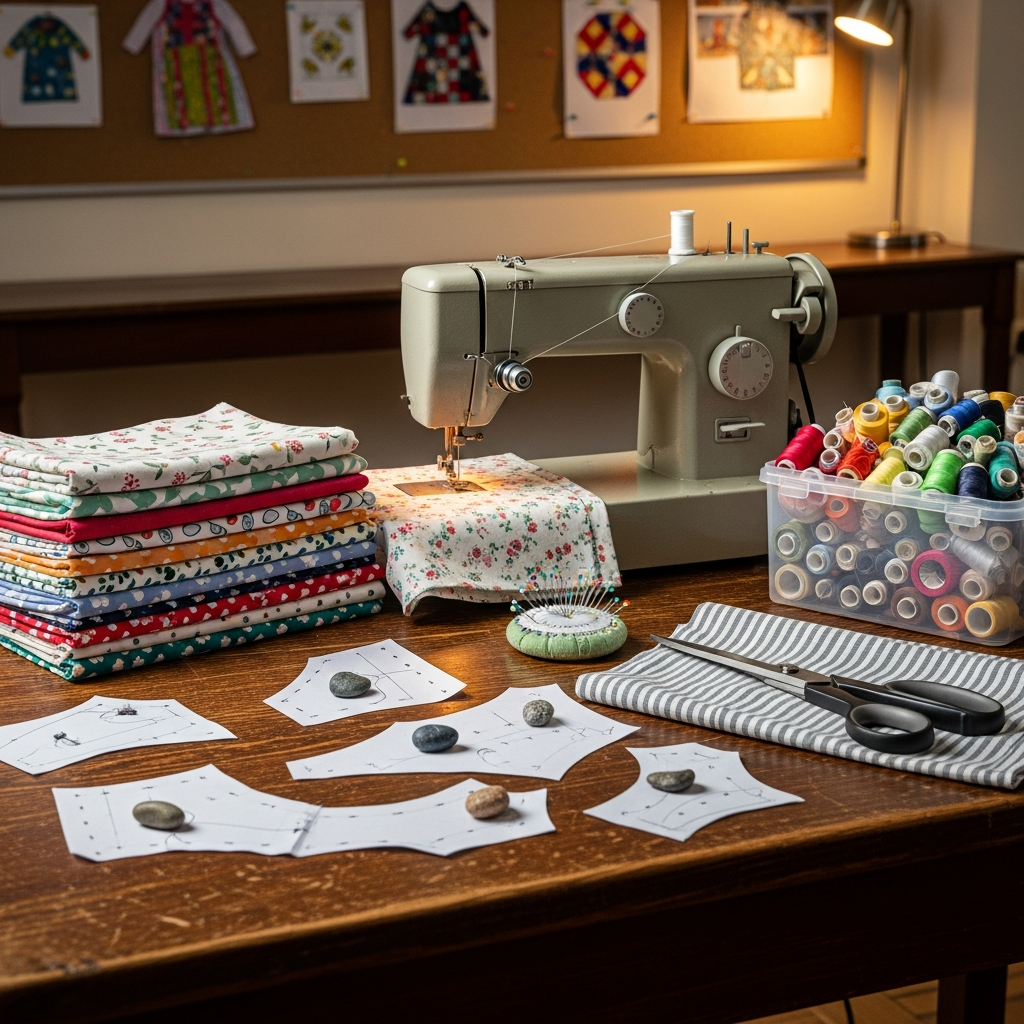
7.1 What happens in textiles clubs
Activities might include:
- Hand sewing (running stitch, backstitch, simple embroidery)
- Basic machine sewing (with close supervision)
- Upcycling old clothes
- Designing and making simple accessories (bags, cushions, scrunchies)
7.2 Safety and supervision
Because of needles and machines, ratios and supervision matter:
- Lower adult:child ratios (e.g. 1:8 or 1:10) are preferable
- Clear rules about needle and scissor use
- Machines only used under direct supervision
Ask:
- “How many children use sewing machines at once?”
- “What training do staff have in using and maintaining the machines?”
7.3 Confidence and life skills
Textiles clubs can:
- Build independence (mending, altering clothes)
- Support maths skills (measuring, seam allowances)
- Offer huge pride when a child wears or uses something they’ve made
7.4 Cost and hidden extras
- Expect £8–£15 per session depending on materials
- Ask if children need to bring their own fabric or if it’s provided
- Check whether there are extra charges for zips, buttons or patterns
8. Ceramics and Clay Modelling Clubs: Hands-On and Sensory
Clay-based clubs are brilliant for sensory seekers and children who like 3D work.
8.1 Types of clay activities
- Air-dry clay models and tiles
- Polymer clay (baked in a standard oven)
- Pottery using a kiln (usually in specialist studios or secondary schools)
8.2 Safety and hygiene
Ask providers:
- How they manage dust (especially with dry clay and sanding)
- Handwashing routines to avoid clay ingestion
- How they store and label children’s work safely
8.3 SEND and sensory needs
Clay can be:
- Calming for some children (deep pressure, repetitive movements)
- Overwhelming for others who dislike mess or certain textures
A good club will:
- Offer tools or gloves for children who dislike direct contact
- Allow children to step away if they feel overloaded
8.4 Costs and timing
Because of firing and glazing, pottery clubs can be more expensive:
- £10–£20 per session is common
- Some studios charge per piece fired, so ask upfront
- Finished pieces may take several weeks to come home – prepare your child for this
9. Drama and Theatre Clubs: Confidence on (and off) Stage
Drama clubs are a classic screen-free option and can be transformative for shy or anxious children.
9.1 What good drama clubs actually do
Look for:
- Warm-up games that build trust and teamwork
- Improvisation activities
- Script work and character development
- Opportunities for backstage roles (props, lighting design, directing) for children who don’t want to perform
9.2 Social and emotional benefits
Drama can help children:
- Practise eye contact and clear speech
- Explore emotions safely through characters
- Learn to read body language and tone
- Experience belonging in an ensemble
9.3 Safeguarding specifics in performance settings
Ask about:
- Changing arrangements for performances (separate spaces, supervision)
- Policies on photography and filming during shows
- How they manage late pick-ups after evening performances
9.4 Red flags in drama clubs
- Children frequently “sent out” or shamed for mistakes
- Overly competitive casting with favourites
- Very long rehearsals without adequate breaks or snacks
10. Musical Theatre and Performance Clubs: Singing, Acting, Movement
These clubs combine drama, singing and basic choreography.
10.1 What to expect
- Learning songs from musicals or film soundtracks
- Simple dance routines
- Acting scenes that link songs together
- End-of-term showcases
10.2 Voice and physical safety
Ask providers:
- How they protect young voices (no shouting, proper warm-ups)
- Whether choreography is age-appropriate and not overly strenuous
- How they manage stage equipment (cables taped down, no running in the dark)
10.3 Cost and extras
- Expect £8–£15 per session
- Check for costume fees, show tickets and photography packages
- Ask if there are bursaries or discounts for low-income families
11. Choir and Vocal Groups: Screen-Free Joy in Singing
Choirs can be a lower-pressure way into performance.
11.1 What good choirs offer
- Warm-ups and vocal health guidance
- A mix of fun songs and more challenging pieces
- Opportunities for small solos for those who want them
- Performances in local venues (churches, community halls, school events)
11.2 Confidence and community
Choirs:
- Build listening skills and teamwork
- Give children a sense of belonging to something bigger
- Can be especially powerful for children who struggle socially in the classroom
11.3 Practical questions
- “Do children need to read music?” (Many choirs teach by ear.)
- “Is there a uniform or dress code for performances?”
- “How do you support children who are nervous about singing in front of others?”
12. Instrumental Ensembles: Bands, Orchestras and Groups
If your child already learns an instrument, an ensemble can be a brilliant extension.
12.1 Types of groups
- School bands and orchestras
- String groups, wind bands, guitar ensembles
- Rock bands and contemporary music groups
12.2 Quality indicators
- A qualified music leader with ensemble experience
- Music that is appropriately challenging but not overwhelming
- Clear expectations about practice between sessions
12.3 Costs and hidden extras
- Many school ensembles are free or low-cost
- Music hubs may charge £5–£10 per session
- Ask about sheet music deposits, concert travel and exam entry fees
12.4 SEND considerations
- Some hubs offer inclusive ensembles with adapted instruments
- Ask about flexible seating, breaks and sensory supports
13. Creative Writing and Storytelling Clubs: Words Without Screens
These clubs are ideal for children who love reading, inventing worlds or talking.
13.1 What happens in a good writing club
- Short, fun prompts (objects, pictures, story dice)
- Time to write, share and discuss
- Exploration of poetry, scripts, stories and non-fiction
- Optional performance elements (storytelling circles, poetry slams)
13.2 Confidence and academic benefits
- Builds vocabulary and sentence structure in a low-pressure way
- Helps children who struggle with formal writing to rediscover enjoyment
- Can support GCSE English skills in older pupils
13.3 Practicalities
- Usually £5–£12 per session
- Ask if they provide notebooks and pens or if children bring their own
- Check how they support children with dyslexia or writing fatigue (e.g. scribing, laptops if allowed)
14. Film-Making and Stop-Motion Clubs: Low-Tech, High Creativity
These can be screen-involved but still creative and purposeful, not passive.
14.1 What to look for
- Emphasis on storyboarding, set design, props and models
- Use of simple devices for filming, with clear rules
- Teaching about lighting, sound and editing basics
14.2 Keeping it genuinely healthy
Ask providers:
- How much time is spent planning and making versus staring at screens
- What online safety rules they follow (no uploading to public platforms without parental consent)
- How they manage sharing of finished films (private links, in-club screenings)
14.3 Costs
- Expect £8–£15 per session
- Check if there are extra charges for materials (cardboard sets, clay figures)
15. Design, Architecture and Model-Making Clubs: For Future Problem-Solvers
These clubs suit children who love Lego, building and tinkering.
15.1 Typical activities
- Designing and building bridges, towers and cities from card, wood or recycled materials
- Exploring basic architecture concepts (strength, stability, aesthetics)
- Simple 3D design challenges (e.g. build a chair for a toy that can hold weight)
15.2 Skills developed
- Spatial reasoning and maths
- Teamwork on group builds
- Resilience when structures collapse and need redesigning
15.3 Safety and supervision
Ask about:
- Use of tools (craft knives, glue guns) and how they’re supervised
- Ratios when using hot glue or cutting tools
- Storage of unfinished models between sessions
16. How to Judge Quality on a Club Visit (Step-by-Step)
When you visit a club (or observe at pick-up), use this simple framework.
16.1 Before you go: questions to ask by email or phone
- “Can you send me your safeguarding and behaviour policies?”
- “Are your staff DBS-checked and what training do they receive?”
- “What is your maximum group size and adult:child ratio?”
- “Is your provision Ofsted-registered, or operating under school oversight?”
- “How do you support children with SEND or anxiety?”
16.2 During the visit: what to look and listen for
Environment
- Is the space clean, well-lit and ventilated?
- Are materials accessible but stored safely?
- Are emergency exits clear and visible?
Staff behaviour
- Do staff speak to children calmly and respectfully?
- Are they engaged in the activity, not on their phones?
- Do they notice and respond quickly to minor issues?
Children’s engagement
- Are most children absorbed in what they’re doing?
- Is there a range of outcomes (not identical projects)?
- Do children seem comfortable asking for help?
16.3 After the visit: questions to ask your child
- “What was your favourite part?”
- “Did you feel safe and looked after?”
- “Was there anything you didn’t like or that worried you?”
- “Would you like to go again?”
Take their answers seriously, especially if they mention:
- Adults shouting or ignoring them
- Feeling left out or bullied
- Being forced to join in activities they found overwhelming
17. Safeguarding, Ofsted and Legal Basics for UK Parents
17.1 When does a club need to be Ofsted-registered?
In England, Ofsted registration is usually required if a provider:
- Cares for children under 8 for more than 2 hours a day, and
- Is not directly run by a school, and
- Is not solely offering an activity like sport or tuition for older children
Many after-school arts clubs on school premises operate under the school’s safeguarding framework and may not be separately registered.
Ask:
- “Are you Ofsted-registered, or operating under the school’s registration?”
- “When was your last Ofsted inspection and can I see the report?” (if applicable)
17.2 Key safeguarding documents to expect
- Safeguarding and child protection policy
- Safer recruitment policy
- Health and safety policy
- Behaviour and anti-bullying policy
- Complaints procedure
If a provider is reluctant to share these, treat it as a serious warning sign.
17.3 Ratios and supervision
There is no single legal ratio for all clubs, but as a guide:
- For primary-aged children, many good providers aim for 1:8–1:12 depending on activity
- For riskier activities (tools, kilns, stage work), lower ratios are safer
Ask:
- “What is your maximum group size?”
- “How many adults are usually present?”
18. SEND Inclusion and Accessibility: What Good Looks Like
18.1 Reasonable adjustments you can expect
A thoughtful provider might offer:
- Visual timetables and clear routines
- Quiet corners or breakout spaces
- Adapted tools (chunky brushes, scissors, pencil grips)
- Flexibility around movement breaks
- Willingness to liaise with school SENCOs
18.2 Questions to ask if your child has SEND
- “Have you supported children with similar needs before?”
- “Can we agree a simple support plan before they start?”
- “How will you communicate with me if there are difficulties?”
18.3 Red flags around SEND
- Provider says, “We treat all children the same” and resists adjustments
- No interest in your child’s EHCP or support strategies
- Blaming behaviour without considering sensory or communication needs
19. Costs, Funding and Borough Differences Across the UK
19.1 Typical price ranges by area
These are broad ranges; individual clubs vary.
- London and South East: £8–£20 per session for specialist arts clubs
- Large cities (Manchester, Birmingham, Bristol, Leeds): £7–£15
- Smaller towns and rural areas: £5–£12
School-run clubs are often cheaper than private studios.
19.2 Hidden costs to watch for
- Registration fees or deposits
- Showcase costs (tickets, costumes, photos)
- Materials surcharges for premium projects
- Late pick-up fees
Always ask for a full breakdown of costs before committing to a term.
19.3 Support for low-income families
Depending on your borough and circumstances, you may be able to access:
- Childcare vouchers or Tax-Free Childcare (if the provider is registered and eligible)
- Pupil Premium support via your child’s school
- Local authority holiday and activity fund schemes (mainly holidays, but some link to term-time clubs)
Ask the provider or school office:
- “Do you offer reduced fees or bursaries?”
- “Can this club be paid for using childcare vouchers or Tax-Free Childcare?”
20. Practical Checklists for Parents
20.1 Quick pre-enrolment checklist
Before you sign up, confirm:
- Safeguarding and behaviour policies seen
- Staff are DBS-checked
- Clear information on ratios and maximum group size
- Full cost breakdown including materials and shows
- Start/finish times and late pick-up policy
- How they handle snacks (allergies, dietary needs)
- Their approach to SEND and reasonable adjustments
20.2 First-session checklist
At or after the first session, check:
- Your child knows who to go to if they’re worried
- They understand rules and routines
- They can find the toilet and know the boundaries
- They felt welcomed by staff
- They can name at least one activity they enjoyed
20.3 Ongoing quality checklist (each half-term)
- Activities remain varied and challenging
- Staff turnover is not excessive
- Communication with parents is clear and timely
- Your child still wants to attend most weeks
- Any concerns you raise are taken seriously and followed up
21. Common Red Flags in After-School Arts Clubs
Be cautious if you notice:
- No visible policies or reluctance to discuss safeguarding
- Staff regularly on phones or disengaged
- Children frequently left unsupervised in separate rooms
- Overcrowded sessions with little individual support
- Strong smell of solvents or chemicals with no ventilation
- No clear plan for medical emergencies or allergies
- Your child’s behaviour or mood deteriorates around club days
If something feels wrong, trust your instincts. You can:
- Speak to the club leader calmly and specifically
- Raise concerns with the school if it’s on school premises
- Use the provider’s complaints procedure
- Contact Ofsted if it’s a registered setting and you believe children are at risk
22. Helping Your Child Choose the Right Club
22.1 Matching club type to personality
- Shy but imaginative: creative writing, art, small-group drama
- High energy: drama, musical theatre, large-scale painting, model-making
- Detail-focused: drawing, textiles, ceramics, design clubs
- Social butterflies: choir, drama, musical theatre, collaborative art projects
22.2 Trial periods and taster sessions
Many providers offer:
- Taster sessions at a reduced rate
- Half-term blocks instead of full-term commitments
Ask:
- “Can we try one session before committing to the full term?”
- “What’s your notice period if it’s not the right fit?”
22.3 Balancing clubs with rest and homework
Aim for:
- At least one or two afternoons a week with no structured activities
- Clubs that energise rather than exhaust your child
- A realistic plan for homework time on club days
23. Making the Most of Arts Clubs at Home (Without Taking Over)
You don’t need to replicate the club at home, but you can:
- Ask your child to teach you a technique they’ve learned
- Keep a small box of basic art materials for them to experiment with
- Display their work at home to show you value their creativity
- Attend showcases and exhibitions where possible
Avoid:
- Critiquing their work harshly
- Turning every hobby into a performance or exam
- Overscheduling with too many clubs at once
24. Summary: Choosing Screen-Free Arts Clubs with Confidence
Creative, screen-free after-school clubs can be a powerful antidote to digital overload, offering UK children:
- Space to relax and express themselves
- Opportunities to build confidence and friendships
- Real, transferable skills in art, performance, design and communication
To choose well, focus on:
- Safety and safeguarding – clear policies, DBS checks, sensible ratios
- Staff quality – subject knowledge plus child-development understanding
- Inclusion – willingness to adapt for SEND and different personalities
- Value for money – transparent costs, varied activities, visible progress
Use visits, questions and your child’s feedback to judge whether a club is genuinely enriching or just filling time.
You don’t need to get it perfect first time. Start with one club that feels like a good fit, review it together after a few weeks, and adjust as needed. Over time, you’ll build a mix of activities that help your child thrive creatively, socially and emotionally – without relying on screens.